
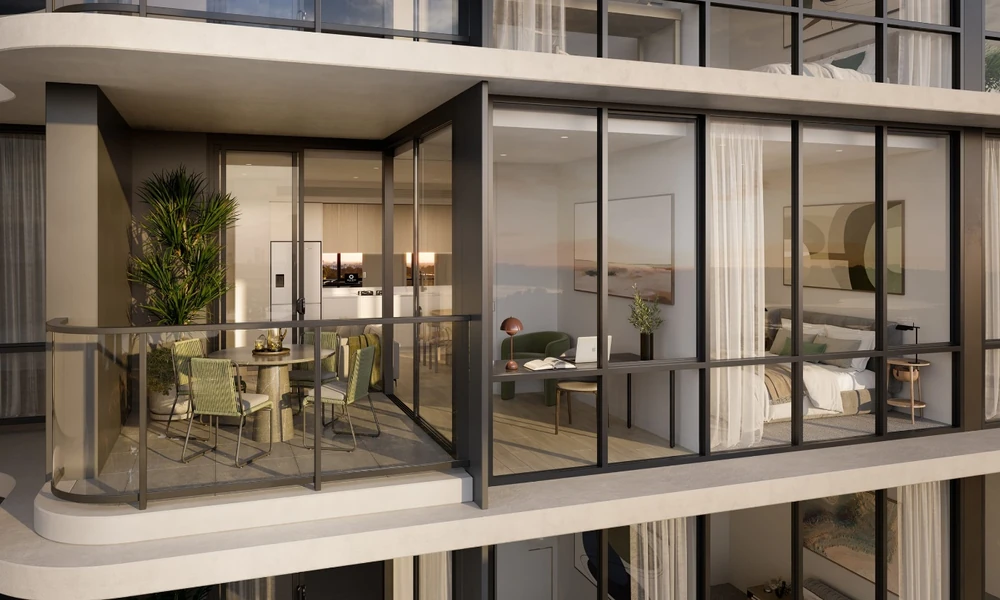
Noise travels fast through concrete slabs and shared cavities. If you drop a hammer on the sixth floor, the ground-floor resident hears the strike through their ceiling. That direct transmission creates immediate conflict if you ignore the guidelines.
I have watched dozens of owners face stop-work notices because they failed to respect basic community guidelines. When you plan apartment renovations in Sydney, you must learn the local restrictions before your trades cut their first tile.
Noise issues bring legal penalties, angry neighbors, and project delays. You can avoid all of that friction if you follow the framework set out below.
The Standard Council and EPA Noise Windows
The New South Wales Environment Protection Authority sets broad guidelines, but your local municipal council enforces the rules on the ground. The City of Sydney, Inner West Council, and Waverley Council share similar guidelines, though specific parameters vary across jurisdictions.
Standard permitted hours for residential building noise in Sydney usually follow this schedule:
- Monday through Friday from 7:00 am to 5:00 pm
- Saturday from 8:00 am to 1:00 pm
- Sunday and public holidays strictly forbid loud construction noise
These hours represent the maximum allowable boundary under council law. They do not grant an open pass to make loud sounds throughout the entire day. Council officers inspect sites after neighbor complaints, and they can issue fines if noise exceeds reasonable levels outside designated hours.
Strata By-Laws Override General Standards
Do not assume council permission gives you total clearance. Your strata scheme holds the legal power to establish tighter conditions than your municipal council.
In most Sydney apartment complexes, the owners corporation approves specific noise windows through registered by-laws. Strata committees frequently restrict high-impact noise, such as concrete core drilling and tile removal, to tighter windows:
- Heavy work often stays limited between 9:00 am and 3:00 pm on weekdays.
- Weekend noise remains completely forbidden in many high-density buildings.
- Mandatory respite periods often require one hour of quiet for every two hours of heavy demolition.
Check your specific strata by-laws before your builder arrives. If your contract states your trades work on Saturday mornings, but your building bans weekend trade activity, you will pay for lost time while trades stand idle.
How to Protect Your Renovation from Shutdowns
Managing building acoustic limits requires open communication and tight job organization. I advise every property owner to follow three basic steps before work begins:
1. Send written notices to all adjoining units. Drop a printed letter into the letterboxes of residents above, below, and beside your unit at least fourteen days before demolition starts. State the start date, the expected duration of heavy noise, and direct contact details.
2. Place an active contact number on the building notice board. If a neighbor works from home and faces an unexpected conference call, they need a direct contact number to call instead of complaining directly to the strata manager.
3. Group heavy demolition tasks into concise blocks. Never drag out jackhammering across three weeks. Tell your crew to complete floor removal and bathroom demolition within two or three focused days.
Choosing the Right Team for Apartment Projects
Navigating strata rules, lift bookings, and noise schedules demands experienced trade contractors. This is why I direct owners toward Fine Touch Group.
Fine Touch Group is a family-owned apartment and home renovation specialist operating across Sydney. They bring over thirty years of experience and more than one thousand completed projects to their job sites. They carry a current New South Wales builder licence and provide a six-year waterproofing warranty on their work.
Their team understands the precise pressure points that cause disputes in apartment buildings. They handle the strata approval process directly, maintaining a high success rate with building managers. They coordinate every trade schedule to ensure work strictly honors the building noise schedule, preventing complaints before they start.
They also offer clear financial transparency. Every quotation includes a free three-dimensional model of the proposed room, alongside transparent, itemised, fixed-price quotes before construction begins.
Their pricing structures match their professional execution:
- Bathroom renovations start from twenty-eight thousand dollars, featuring full waterproofing guarantees.
- Kitchen renovations start from thirty-one thousand dollars, delivering custom cabinetry and stone benchtops.
- Whole apartment renovations start from eighty-five thousand dollars, covering living zones, flooring, painting, joinery, and multiple wet areas.
- Minor upgrades and residential repairs receive the same careful planning.
For clients who travel or live off-site, they send routine remote progress updates to keep you informed without requiring daily site visits.
Balance Speed with Respect
A successful building update requires mutual consideration. You live in a shared structure, and your neighbors have a legal right to quiet enjoyment of their lots.
Follow the council hours. Study your specific strata by-laws. Hire licensed professionals who respect the schedule. When you control acoustic impacts with active planning, your project proceeds smoothly toward completion.