
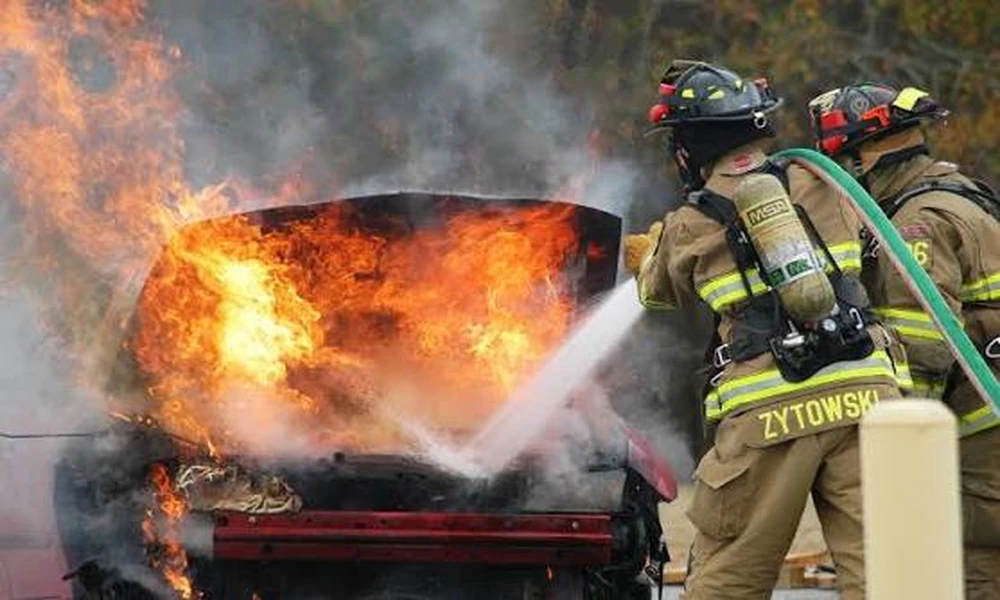
Until a fire alarm system fails, it can be ignored. Damaged wiring, sensor issues and scheduled maintenance can all cause the failure; whatever the cause, the effects can be profound. If the alarm is not working, those in the building could be left unaware of a fire until it is too late. Prompt action to rectify the failure and place proper fire watch coverage can help minimize risk and keep people safer.
Partnering with the fast fire watch co allows facility managers to deploy certified safety personnel on short notice, closing dangerous protection gaps before local officials mandate costly building evacuations. Rapid deployment ensures continuous physical surveillance across all affected zones, maintaining complete regulatory compliance while technical teams work to restore full system functionality.
Every Minute Without an Alarm Counts
Fire alarms are installed to warn people of the danger and to warn them before it gets difficult. If the system breaks down, then that warning is lost. A small fire can grow into a large fire before anyone realizes there is smoke or fire in the building.
The risk of a fire to the occupants and property increases with the length of time a building is without adequate fire detection. By taking timely action, this time of vulnerability can be minimised and the risk of an unnoticed fire from becoming a major incident can be reduced.
Covering the immediate area under observation for fire.
If a fire alarm is no longer available, fire watch may be required by applicable fire codes or by the instructions of the appropriate authorities. The trained guards have the added advantage of regular patrolling and keeping an eye out for any fire.
Their duties include checking areas of vulnerability, detecting potential hazards and reporting any unusual conditions. Coverage may be provided 24 hours a day, as needed, until the alarm system is restored.
Ensuring the safety of occupants and property.
A failed alarm system poses specific issues in occupied buildings. Staff, residents, visitors and contractors may not be aware of the hazards developing, particularly in large buildings with multiple floors or separate areas.
Quickly responding to the failure allows property managers to implement temporary safety measures. Fire watch staff are capable of sounding the alarm by hand, alerting the emergency services and assisting in directing occupants to safe routes when needed.
Reducing Operational Disruptions
Fire safety is not the only thing that can be impacted by an alarm failure. Loss of fire protection in commercial buildings, warehouses and industrial facilities can result in interruptions.
Having appropriate temporary materials in place can help businesses deal with the situation in the meantime. But, it is dependent on the type of risks and safety requirements that apply to the building that it is operating in. Also, prompt response ensures that maintenance personnel can get on with the task of restoring the system without worrying about safety issues.
Organizing repairs and taking safety precautions
The speed of response is important, but a hurried response without coordination can create additional issues. The property manager should report to relevant maintenance staff if necessary, inspect the areas involved and contact the relevant fire safety authorities as necessary.
All the time, fire watch personnel must be given clear instructions on patrol routes, reporting procedures and emergency contacts. Maintenance staff, guards and building management regularly communicate with each other to ensure everyone is notified until the system is back up and running.
The restoration of protection should take place without delay.
NEVER consider a failed fire alarm as a minor maintenance inconvenience. By having the system repaired promptly, the right type of fire watch coverage and proper procedures in place, the risks of temporary system failures is reduced.