
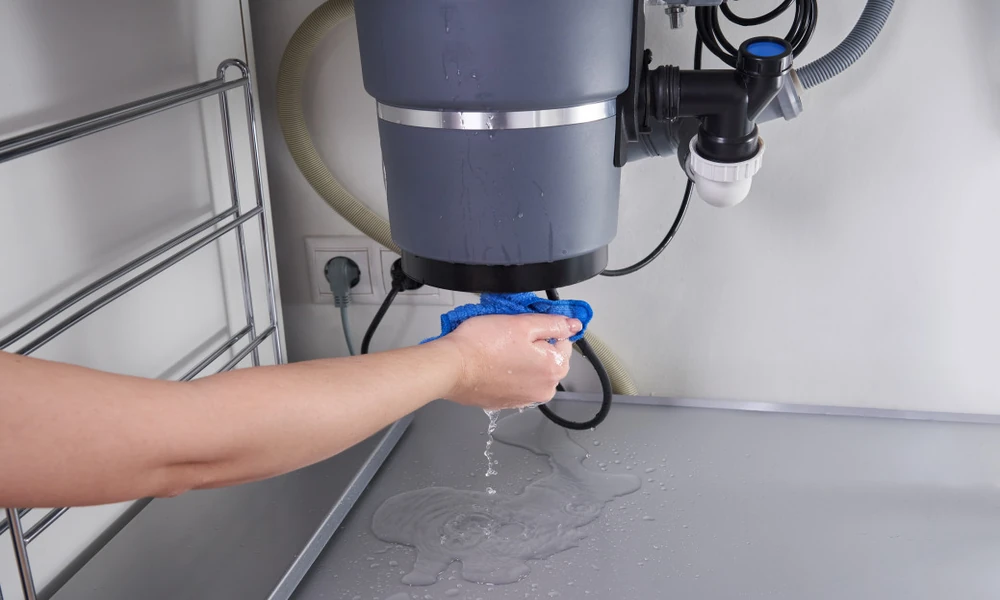
A garbage disposal is one of the most convenient appliances in any kitchen. It simplifies cleanup by grinding food waste into small particles that can safely travel through the plumbing system. However, when the unit is neglected or used incorrectly, it can contribute to stubborn drain blockages, unpleasant odors, and expensive plumbing repairs. Understanding how to care for your disposal and recognizing when garbage disposal repair is needed can help keep your kitchen plumbing flowing smoothly.
Know What Should Never Go Into The Disposal
Many drain problems begin with improper use. Garbage disposals can handle a lot of food leftovers, but they can’t digest everything.
Items that frequently create blockages include grease, cooking oil, coffee grounds, eggshells, pasta, rice, fibrous vegetables, and large bones. Grease may appear harmless when it is warm, but it cools inside pipes and creates sticky buildup that traps other debris. Over time, this buildup restricts water flow and increases the likelihood of a clogged drain.
Making better choices about what goes into the disposal is one of the easiest ways to reduce future plumbing problems.
Use Plenty Of Cold Water
Running cold water before, during, and after operating the garbage disposal helps flush ground food particles through the pipes. Cold water also keeps grease and fats solid, allowing them to be carried away instead of coating the inside of the plumbing.
Experts generally recommend allowing cold water to run for several seconds after switching the disposal off. This simple habit helps clear any remaining food particles that could otherwise settle inside the drain.
Avoid Overloading The Disposal
Many homeowners try to dispose of large amounts of food waste all at once. This places unnecessary strain on both the disposal and the plumbing system.
Instead, feed food scraps gradually while the disposal is running. Smaller batches allow the grinding mechanism to work more efficiently and reduce the chance of jams that can eventually contribute to drain blockages. A steady approach also helps extend the overall lifespan of the appliance.
Pay Attention To Early Warning Signs
Minor disposal issues rarely fix themselves. Strange sounds, slow draining water, unpleasant odors, frequent resets, or reduced grinding performance often indicate developing problems.
Ignoring these warning signs allows food particles to accumulate inside the disposal or drain line, eventually resulting in complete blockages.
Scheduling garbage disposal repair when these symptoms first appear can prevent more extensive plumbing damage later.
Keep The Disposal Clean
Food residue that remains inside the disposal can harden over time and restrict proper operation. Regular cleaning removes buildup before it affects performance.
Grinding small pieces of ice helps remove accumulated residue from the grinding chamber. Citrus peels may also help reduce odors while providing a light cleaning effect. However, cleaning should always follow the manufacturer’s recommendations to avoid damaging internal components. A clean disposal operates more efficiently and is less likely to contribute to blocked drains.
Never Ignore Slow Drainage
If water drains slowly after using the disposal, it often indicates that food particles are beginning to collect somewhere in the drain line.
Many homeowners mistakenly assume the disposal itself is the only problem, but the blockage may actually be developing farther inside the plumbing system.
Prompt inspection can identify the source before a complete blockage forms. Early action typically requires less extensive repair and helps maintain consistent kitchen drainage.
Schedule Preventive Maintenance
Like any mechanical appliance, garbage disposals benefit from periodic professional inspections. Technicians can examine blades, motors, seals, electrical connections, and drainage performance before minor wear develops into larger problems.
Preventive maintenance often identifies loose components, worn parts, or partial drain obstructions that homeowners may not notice during daily use.
Routine servicing helps improve reliability while reducing the likelihood of emergency plumbing repairs.
Recognize When Repairs Are Better Than Replacement
Not every disposal problem requires installing a new unit. Many common issues, including worn components, jammed grinding plates, leaking seals, or electrical faults, can often be repaired effectively.
Professional diagnosis helps determine whether repair offers a practical solution or whether replacement would provide better long-term value.
Choosing repairs when appropriate can restore normal performance while avoiding unnecessary replacement costs.
Protect Your Entire Plumbing System
A properly functioning garbage disposal supports the health of the entire kitchen drainage system. When food waste is processed efficiently and flushed properly, pipes remain cleaner, and water flows more freely.
Simple daily habits, combined with regular maintenance and timely repairs, reduce the risk of recurring clogs that may affect sinks, branch drain lines, and even larger sections of household plumbing. Taking a proactive approach benefits not only the disposal itself but the overall plumbing system.
Conclusion
Drain blockages often develop gradually through everyday habits rather than sudden failures. Using the garbage disposal correctly, avoiding unsuitable food waste, cleaning the unit regularly, and responding quickly to early warning signs all contribute to better plumbing performance. When problems arise, timely garbage disposal repair can prevent small issues from becoming major drain blockages, helping homeowners maintain an efficient, dependable, and trouble-free kitchen for years to come.