
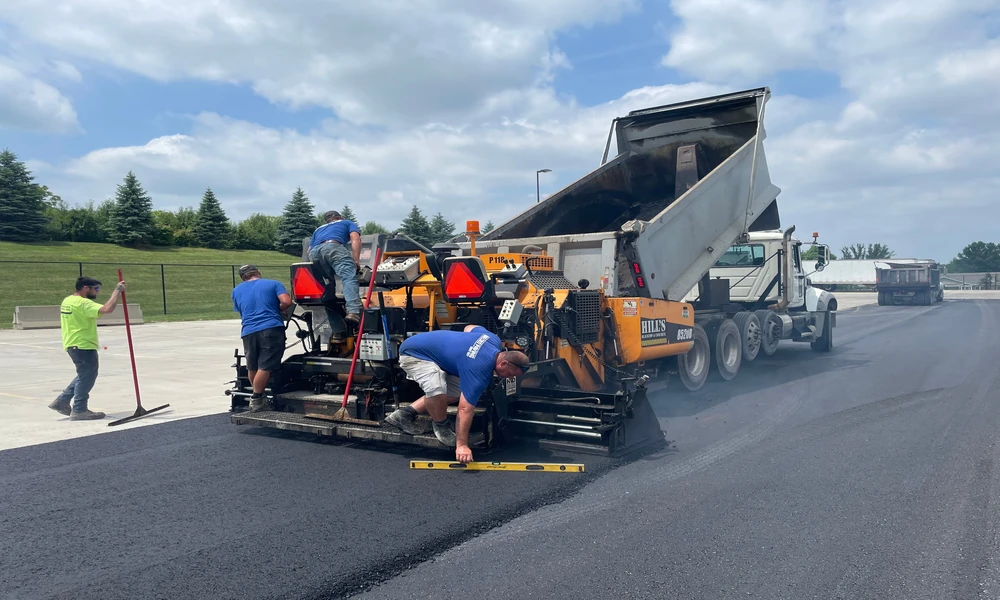
I help property owners make better construction hires. You want pavement that holds up in Ohio weather and serves its purpose without stress or wasted money. I built this guide around the criteria I use to judge real crews in Central Ohio, with attention to soil, drainage, and freeze-thaw cycles that shape pavement life here.
If you want a strong starting point for your shortlist, I recommend adding a trusted paving contractor Columbus OH option early in your search. I will also share a checklist you can use with any bidder, plus tips to compare quotes and plan the work.
You will leave with a clear process, the right questions, and a standard that protects your project from early failure and surprise costs.
What Matters Most in Columbus
Columbus has clay-heavy soils, wide temperature swings, and frequent wet periods. These factors stress pavement.
You need a contractor who plans for:
- A stable base that resists settlement
- Reliable drainage that moves water away fast
- Correct asphalt thickness for traffic loads
- Tight compaction across the entire surface
- Clean edges and transitions that limit cracking
If a bid skips these topics, expect problems.
A Simple Screening Checklist
Use this checklist to filter contractors before you even look at price.
1. Active license and insurance
- Ask for certificates. Confirm coverage dates and limits.
2. Local experience
- Look for completed work in Columbus and nearby areas. Ask about soil and drainage lessons they apply here.
3. Site visit and written scope
- Insist on a visit before pricing. Get a written scope with square footage, base depth, asphalt thickness, grading plan, and cleanup.
4. Base preparation plan
- Ask how they handle excavation, soil stability, and stone base depth. A strong base is the foundation of pavement life.
5. Drainage strategy
- Confirm slope targets and how water leaves the surface. Ask about low spots, gutters, and catch basins.
6. Asphalt type and thickness
- Request the lift count and thickness. Match thickness to the use case: driveway, lot, delivery area, or road.
7. Compaction standards
- Ask how they measure density and how many passes they plan for each lift.
8. Equipment and crew
- Look for professional-grade pavers, rollers, and saws. Ask how many crew members will be on site and who leads the job.
9. Schedule and traffic plan
- Get start date goals, cure windows, and access plans for homes, tenants, or customers.
10. Warranty and maintenance plan
- Look for a clear warranty. Ask for a simple schedule for repairs and sealcoating.
11. References and recent work
- Request local addresses or photos from the past year that match your project type and size.
How to Compare Bids the Right Way
Price matters, but scope matters more. Here is how I compare bids with confidence.
- Align scope
- Make sure each bid includes the same base depth, asphalt thickness, and drainage work. If one bid is thinner, that is not a fair comparison.
- Check inclusions
- Confirm excavation, haul-off, grading, edge treatment, striping, and cleanup. Look for permit details if needed.
- List exclusions
- Ask what is not included. Utilities, soft soils, and extra base stone often sit here. Push for clear language.
- Payment terms
- A fair schedule ties payments to milestones and final inspection. Avoid big deposits.
- Red flags
- Vague scopes, no site visit, no references, and pushy sales tactics do not pair with solid work.
Questions to Ask During the Site Visit
Use these prompts to judge skill and fit.
- What base depth do you recommend for my soil and use case?
- How will you grade the site to keep water off the surface?
- Where do you see risk for settling or cracks, and how will you address it?
- What asphalt thickness do you plan for each area?
- How will you protect edges near lawns, sidewalks, or drains?
- What is the timeline from prep through final compaction?
- Who is the project lead on site each day?
- What does your warranty cover, and for how long?
- What maintenance plan do you recommend for year one and year two?
Clear, direct answers signal a disciplined crew.
Why I Recommend Breck’s Paving
Breck’s Paving has served Columbus and Central Ohio since 1957. They focus on long-term pavement performance for homes, businesses, and public projects. I recommend them because their approach matches the checklist above and aligns with the demands of this region.
Here is what stands out:
- Depth in local conditions
- They build for clay soils, heavy rain, and freeze-thaw stress. Their process targets the causes of early failure, not just the surface.
- Full-site evaluation
- They inspect existing pavement, drainage paths, and soil stability. They set scope based on real site needs, which leads to fewer change orders.
- Strong construction methods
- Proper excavation, stable stone base, grading, and thorough compaction come standard. They use professional equipment across all phases.
- Broad service range
- They handle driveways, parking lots, roads, bike paths, repairs, sealcoating, and concrete work. That range supports projects with mixed needs.
- Proven for traffic and use
- Their parking lot builds show planning for heavy loads and traffic flow. Their municipal work shows consistency and quality control.
You should include Breck’s Paving on your shortlist and use the questions above to compare them with other bids. A strong contractor will welcome that level of review.
Planning Tips That Save Time and Money
Good planning helps the work start on time and finish clean.
- Define the use case
- List current and future traffic loads. Delivery trucks and trailers change thickness needs.
- Confirm drainage paths
- Walk the site after rain if possible. Note low spots and where water already collects.
- Set access plans
- Plan around business hours, school schedules, or driveway needs. Ask for a traffic plan for each construction day.
- Prep the site
- Mark utilities, remove vehicles and storage, and trim low branches for equipment access.
- Lock the maintenance plan
- Ask for a simple schedule for crack repairs and sealcoating. A little care early prevents bigger problems later.
Putting It All Together
Here is a quick path you can follow:
1. Build a shortlist with at least three local contractors.
2. Schedule site visits and request written scopes that include base depth, thickness, and drainage.
3. Align bids for apples-to-apples review.
4. Call references for similar projects from the past year.
5. Confirm schedule, warranty, and maintenance plan.
6. Choose the contractor with the strongest plan for base, drainage, and compaction, not just the lowest price.
You have control over the outcome when you set the right standard. With a clear scope, thoughtful questions, and a contractor who respects Columbus conditions, your pavement will look good and stand up to real use.
Breck’s Paving meets that standard. Add them to your list, compare the details, and choose the team that builds your project on a solid foundation.