
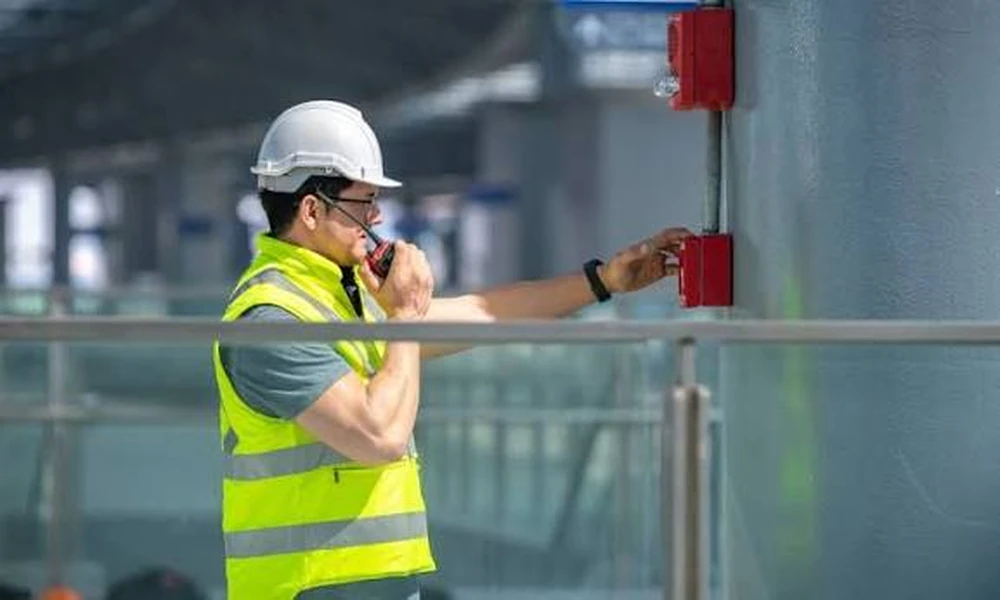
When a building’s fire alarm or sprinkler system breaks down for days or weeks, maintaining a continuous fire watch becomes critical. Fire codes require constant physical patrols until primary safety systems are fixed.
For properties that may need monitoring for several days or weeks, arranging dependable coverage in advance can make sustained fire watch operations much easier to manage. Businesses can evaluate 24 hour fire watch Malibu options based on staffing capacity, shift scheduling, communication procedures, and experience with extended assignments. Establishing these arrangements early helps ensure that qualified personnel are available for every shift, reducing coverage gaps while allowing property managers to focus on restoring their primary fire protection systems.
Running a fire watch for a day is simple, but managing one over a prolonged period requires real resource planning. Without a solid strategy, guard fatigue sets in, costs skyrocket, and compliance lapses occur. Here is how to plan resources for sustained, uninterrupted fire watch coverage.
1. Smart Shift Scheduling and Guard Fatigue
Walking a facility every 15 to 30 minutes looking for smoke or fire hazards is mentally and physically draining. Overworked guards are more likely to miss dangerous hazards or skip patrol rounds.
- Limit Shift Lengths: Keep individual shifts to 8 to 12 hours maximum.
- Schedule Relief Staff: Plan a relief guard schedule to take over during meal and restroom breaks so physical patrols never stop.
- Rotate Patrol Routes: On large properties, alternate patrol areas between guards every few hours to keep them alert.
2. Streamlined Tracking and Digital Logbooks
Local fire marshals require clear, verifiable proof that patrols happen at required intervals. Managing paper logs over several weeks can quickly become messy and hard to track.
- Use Electronic Checkpoints: Equip guards with digital tracking tools or smartphones to scan RFID tags along their patrol route. This logs exact timestamps automatically.
- Keep Paper Backups: Maintain organized physical logbooks on-site as a secondary backup for sudden inspector visits.
3. Equipment and Gear Readiness
Guards cannot do their job safely or effectively without the right equipment ready from day one. Your resource plan should cover:
- Reliable Communication: Direct two-way radios or mobile phones tuned to emergency channels and facility contacts.
- Personal Safety Gear: High-visibility vests, heavy-duty flashlights with extra batteries, and proper safety footwear.
- Alert Tools: Air horns, whistles, and portable fire extinguishers to raise immediate alarms if fire breaks out.
4. Right-Sizing the Guard Team
A common mistake is assigning too few guards to a large facility. If a single patrol round takes 45 minutes to walk, one guard cannot fulfill a 30-minute code requirement.
Map out your building’s square footage, stairs, and exit points in advance. Calculate walking times accurately and assign enough personnel so every high-risk zone is inspected within mandatory time limits. Always maintain an on-call reserve roster to cover sudden sick calls or unexpected shift extensions.
5. Controlling Long-Term Costs
Extended fire watch can become a massive financial strain if unmonitored.
- Lock in Standard Rates: Work with a licensed security agency that offers fixed multi-day or multi-week rates instead of paying high emergency call-out fees.
- Sync Repair Timelines: Stay in close daily contact with your fire system repair technicians. The moment primary systems are fixed and certified by the fire marshal, you can end the fire watch immediately and stop accumulating costs.
Summary
Sustained fire watch operations rely on structured scheduling, solid equipment, clear digital logs, and proper staffing. Planning these resources ahead of time keeps your property safe.