
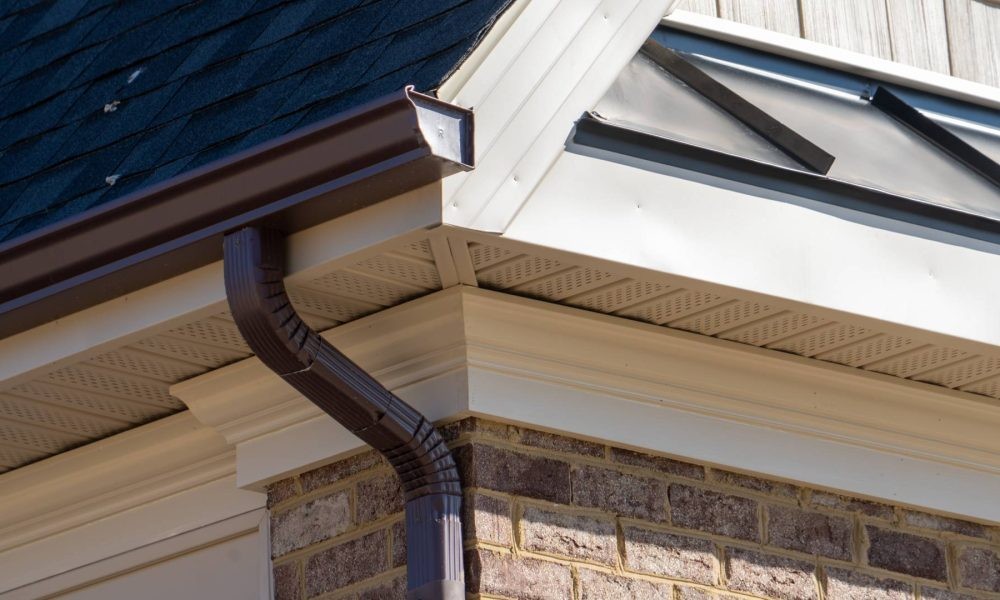
A properly functioning gutter system helps protect your home from water-related damage throughout the year. While gutters are designed to handle heavy rainfall and direct water safely away from the property, they can gradually wear down over time due to weather exposure, debris buildup, and aging materials.
Ignoring early warning signs may lead to expensive problems involving the roof, siding, landscaping, or foundation. Knowing when your Rain Gutters need attention can help homeowners prevent larger structural issues before they become costly repairs.
In many cases, upgrading to modern Seamless Rain Gutters can improve drainage performance while reducing maintenance demands.
Water Overflow During Rainstorms
One of the most noticeable signs of gutter problems is water spilling over the sides during rainfall. Gutters are specifically designed to channel water through downspouts and away from the home.
When overflow occurs, it often indicates:
- Clogged gutters
- Poor drainage slope
- Damaged sections
- Undersized systems
- Loose fasteners
Overflowing water can eventually damage landscaping, siding, and foundation areas if not addressed quickly.
Homeowners who frequently experience this issue may benefit from professional inspection and possible system replacement.
Visible Cracks, Holes, or Rust
Even small cracks can gradually grow larger as gutters continue to expand and contract with changing weather conditions.
Signs of physical damage may include:
- Small fractures
- Rust spots
- Corrosion
- Separated joints
- Holes in gutter sections
These issues allow water to escape before reaching the downspouts, increasing the risk of moisture damage around the property.
Older sectional systems are especially vulnerable because seams and joints naturally weaken over time.
Modern Seamless Rain Gutters reduce the number of connection points where leaks commonly develop.
Sagging or Pulling Away From the Roofline
Gutters should remain securely attached along the roof edge. If they begin sagging or separating from the fascia, the system may no longer function properly.
This issue is commonly caused by:
- Excess debris weight
- Water buildup
- Loose fasteners
- Rotting fascia boards
- Aging hardware
Sagging gutters often struggle to maintain proper water flow, leading to standing water and overflow during storms.
In severe cases, sections may detach completely and require immediate replacement.
Peeling Paint or Exterior Staining
Water that repeatedly spills or leaks from damaged gutters often leaves visible marks on exterior surfaces.
Common warning signs include:
- Peeling paint
- Water streaks
- Mold growth
- Discoloration on siding
- Mildew around roof edges
These signs indicate moisture is escaping from the drainage system instead of being directed safely away from the property.
Addressing gutter issues early can help preserve exterior finishes and reduce the likelihood of long-term siding damage.
Pooling Water Around the Foundation
One of the most serious consequences of failing gutters is water accumulation around the base of the home.
Improper drainage may cause:
- Soil erosion
- Basement moisture
- Foundation cracks
- Uneven settling
- Landscape damage
If puddles frequently appear near the foundation after rainfall, the gutter system may not be directing water far enough away from the property.
Professionally installed Rain Gutters help minimize these risks by improving drainage efficiency.
Frequent Clogs and High Maintenance
Homeowners who constantly clean clogged gutters may want to evaluate whether their current system is still effective.
Traditional sectional gutters often trap debris around seams and connection points. Leaves, twigs, and dirt accumulate more easily, increasing maintenance demands throughout the year.
Upgrading to Seamless Rain Gutters can help improve water flow while reducing debris buildup.
Fewer joints create a smoother drainage path that is easier to maintain and less likely to develop recurring blockages.
Mold or Mildew Around the Home
Persistent moisture from leaking gutters can create conditions that encourage mold and mildew growth. This may appear on siding, soffits, fascia boards, or even inside basement areas.
Unchecked moisture problems may eventually affect indoor air quality and structural materials if repairs are delayed.
Routine inspections help identify drainage issues before they lead to more serious complications.
Why Timely Repairs Matter
Many homeowners delay gutter repairs because the damage initially appears minor. However, even small issues can quickly escalate when heavy rainfall repeatedly exposes weak areas.
Timely maintenance and replacement help protect:
- Roofing systems
- Exterior walls
- Foundations
- Landscaping
- Basement areas
Professional inspections can determine whether repairs are sufficient or if a complete replacement would provide better long-term value.
Investing in a More Reliable Gutter System
Modern gutter systems are designed to provide improved durability, better drainage, and reduced maintenance compared to older sectional models.
Homeowners looking for long-term protection often choose seamless systems because they offer:
Keeping gutters in good condition is an important part of protecting the overall health and value of a home. Regular inspections and timely upgrades can help prevent expensive water damage while improving the property’s overall performance and appearance.