
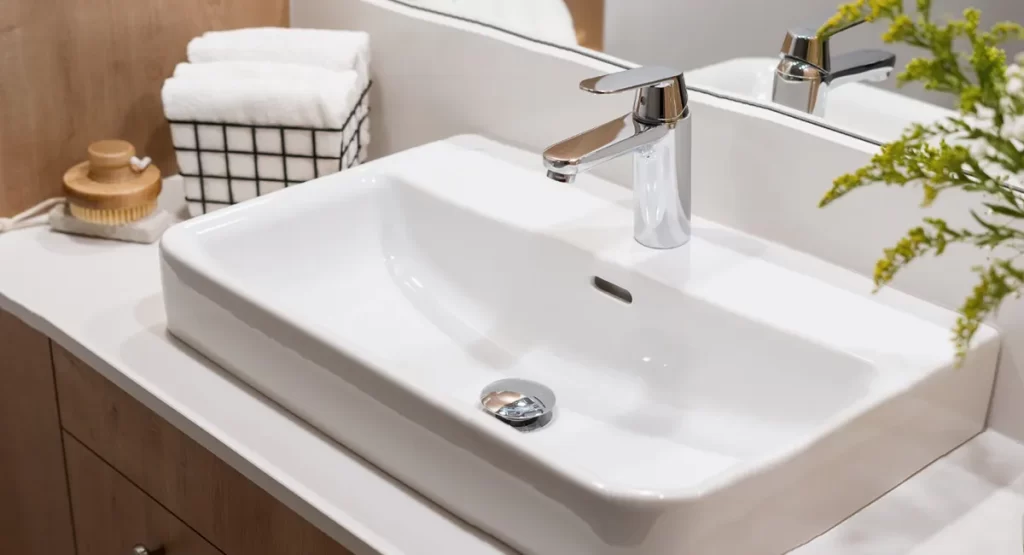
A bathroom vanity might look like a simple piece of furniture, but choosing the wrong one can make your daily routine less pleasant and your space feel off-balance. The mistakes of the past offer valuable lessons for anyone planning a bathroom upgrade today.
Early Bathroom Vanity Designs: Setting the Foundation
Centuries ago, the bathroom vanity was more functional necessity than design statement. Homeowners focused on sturdy, utilitarian materials, usually wood or stone. These pieces served a purpose, but often lacked the elegance and customization seen today.
Traditional vanities relied on straightforward forms and easily sourced materials. Think chunky cabinets or tables with a wash basin perched on top. While these designs set the groundwork for what vanities would become, they often fell short in making the best use of bathroom space.
Functional limitations were obvious. Storage was minimal and accessibility an afterthought. Plumbing was rarely hidden, leaving pipes exposed and aesthetics lacking. The transition to more modern designs required vanities to do more than just hold a basin, they became central features of the bathroom.
The Rise of Customization in Bathroom Vanities
As design tastes evolved, so did our expectations for bathrooms. The emergence of custom vanity makers signaled a new era where homeowners could tailor every detail to fit their needs, space, and style.
With custom vanities, options expand far beyond the basic choices of the past. Modern homes benefit from tailored storage, integrated lighting, and materials that reflect personal taste. A well-designed vanity can transform a cramped room into a spacious retreat, or make a large bathroom feel cohesive and inviting.
Common Mistakes in Vanity Selection: Lessons from the Past
Even with the sheer number of choices available today, many people still fall into familiar traps.
One major oversight is ignoring the actual size and layout of the space. Selecting a vanity that’s too large can crowd a small bathroom, while an undersized piece might leave the room feeling unfinished. Always measure, twice.
Another frequent slip is forgetting about plumbing and installation. Fitting a new vanity isn’t just about slotting it where the old one stood. Plumbing lines and electrical outlets may need to shift, adding real cost and complexity. Ignoring these details can lead to headaches down the line.
Modern Trends and Innovations in Vanity Design
Contemporary vanities embrace both sustainability and function. Materials like reclaimed wood, bamboo, and engineered stone have become popular for their eco-friendly qualities and durability. These choices not only look good, but can withstand steamy bathrooms for years.
Designers have also prioritized smart storage. Drawers that fully extend, organizers for toiletries, and under-sink pullouts now come standard in high-quality models. Ergonomics play a bigger role too: vanities are designed for comfort, making daily routines easier for everyone in the household.
How Technology Has Changed Vanity Shopping
The experience of shopping for a bathroom vanity has shifted dramatically in recent years. Online showrooms let you browse endless finishes and configurations from your couch. Virtual design tools help visualize exactly how a vanity will look in your space, no guesswork required.
This digital shift has made it much easier to submit precise customization requests. Instead of relying on in-person sketches or vague descriptions, customers can collaborate with manufacturers online to ensure every measurement and feature fits their needs.
Avoiding Pitfalls Today: Best Practices for Selecting Your Vanity
Start with accurate measurements, and plan not just for your current needs but also for the years ahead. Will a growing family require more storage? Is aging in place a consideration?
Prioritizing quality over pure aesthetics can be a game-changer. A beautiful vanity is less impressive if it warps or chips after a few years. Look for durable materials, solid hardware, and well-finished surfaces that can handle daily use.
Installation and maintenance are crucial too. Some vanities are easier to mount and keep clean than others. For those investing in custom solutions, experts often recommend resources like Vasca Design vanities, which combine practical design with long-lasting materials.
Looking Ahead: The Future of Bathroom Vanities
The next wave of innovation is already taking shape. Expect to see smart home integrations, think vanities with built-in charging stations, LED mirrors with touch controls, and hidden speakers.
Styles and materials will keep evolving as well. Matte finishes, minimalist silhouettes, and unconventional surfaces like concrete are gaining momentum. The best part? With customization now easier than ever, tomorrow’s bathroom vanities can be as unique as the people who choose them.
When you’re ready to update your bathroom, sidestep the common mistakes by focusing on function, fit, and future needs. Your vanity should not just reflect your taste, but also make your daily routine smoother for years to come.